Uneven heating across the system
Some radiators warming slowly can suggest a circulation issue, but it does not prove that sludge is the cause. Valves, pumps, balancing and controls may need assessment before cleaning is selected.
If your heating is noisy, slow or uneven, we can assess whether system cleaning is the right step and explain what it can realistically achieve.
Gas Safe registered · SafeContractor approved
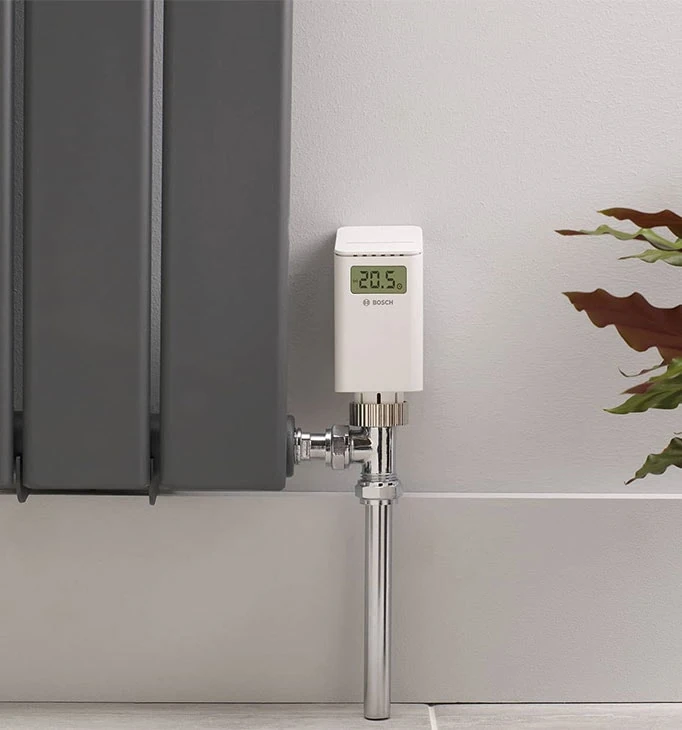
Sludge and debris can affect circulation, but similar symptoms can also come from a pump, valve or control problem. We assess the system before recommending a power flush or another cleaning method.
Older pipework and radiators need particular care. We explain the condition we can see, the proposed process and any limitations before you agree to work. Cleaning does not guarantee that every heating fault will be resolved or that worn components will not need attention.
Some radiators warming slowly can suggest a circulation issue, but it does not prove that sludge is the cause. Valves, pumps, balancing and controls may need assessment before cleaning is selected.
The condition of the existing water circuit matters when specifying new equipment. The installation quotation should identify the appropriate cleaning and treatment, rather than leaving it as an undefined extra.
Previous repairs, dirty system water or problems around filters can be useful information for the engineer. Explain what has already been tried and how the system has responded.
The method needs to suit the system’s condition. Cleaning can help with contamination; it is not a substitute for repairing failed components.
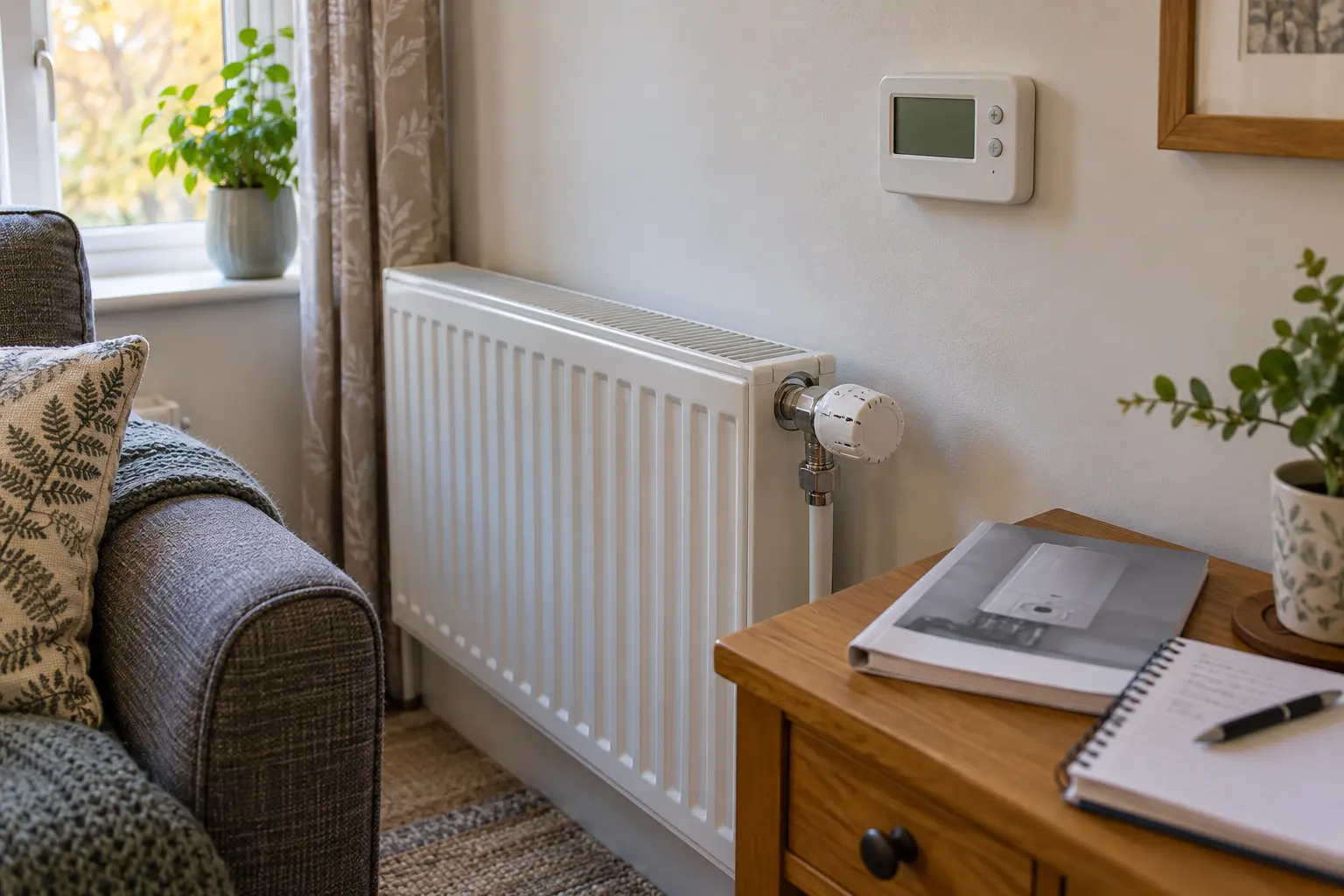
Have the number of radiators, boiler details and a description of the symptoms ready. Mention previous leaks, recent replacements and any cleaning already carried out.
The appointment or quotation should identify the agreed work, access arrangements and any limitations. If the engineer finds something outside that scope, we explain the options and costs before additional work goes ahead.
A practical guide to the process, with details agreed for your property.
Discuss its age, radiators, known faults and previous repairs.
Consider cleaning, repair or adjustment based on the findings.
Agree the work, limitations and any required access.
Carry out the agreed cleaning and discuss any outstanding issues.
Mention old leaks, unusual noises, previous flushing and recently replaced components. That history can affect the appropriate method.
Furniture and stored items can restrict access. Ask which parts of the system will need to be reached during the work.
Cleaning can reveal weaknesses in older components. A quote should explain what happens if repairs are needed before the work can continue.
 Good to know
Useful details before you decide. If your question is more specific, our team is happy to help.
No. We assess the cause first because some heating problems require a repair or adjustment instead.
No. The age, condition and construction of the system influence the appropriate cleaning method.
Yes, where appropriate. The installation quote will state the cleaning method and any additional filter or treatment included.
No. The appropriate method depends on the installation and its condition. The engineer should explain why a particular method is being proposed.
It may help where contamination restricts circulation, but it cannot correct every sizing, control, valve or insulation issue.
Only when it is specified. Ask the team to identify any filter and treatment in the written scope.
Basic details can help with an initial discussion, but system size, access and condition may need review before the final scope and price are confirmed.
Our Kinmel Bay team reviews the full postcode, job and availability before confirming attendance.
A new boiler, an annual service or a repair. Choose your next step with Corva.