Carbon monoxide: a practical guide for North Wales and the North West
Carbon monoxide cannot be seen, smelled or tasted. Know the possible warning signs, use suitable alarms and act quickly if you suspect exposure.
Where carbon monoxide can come from
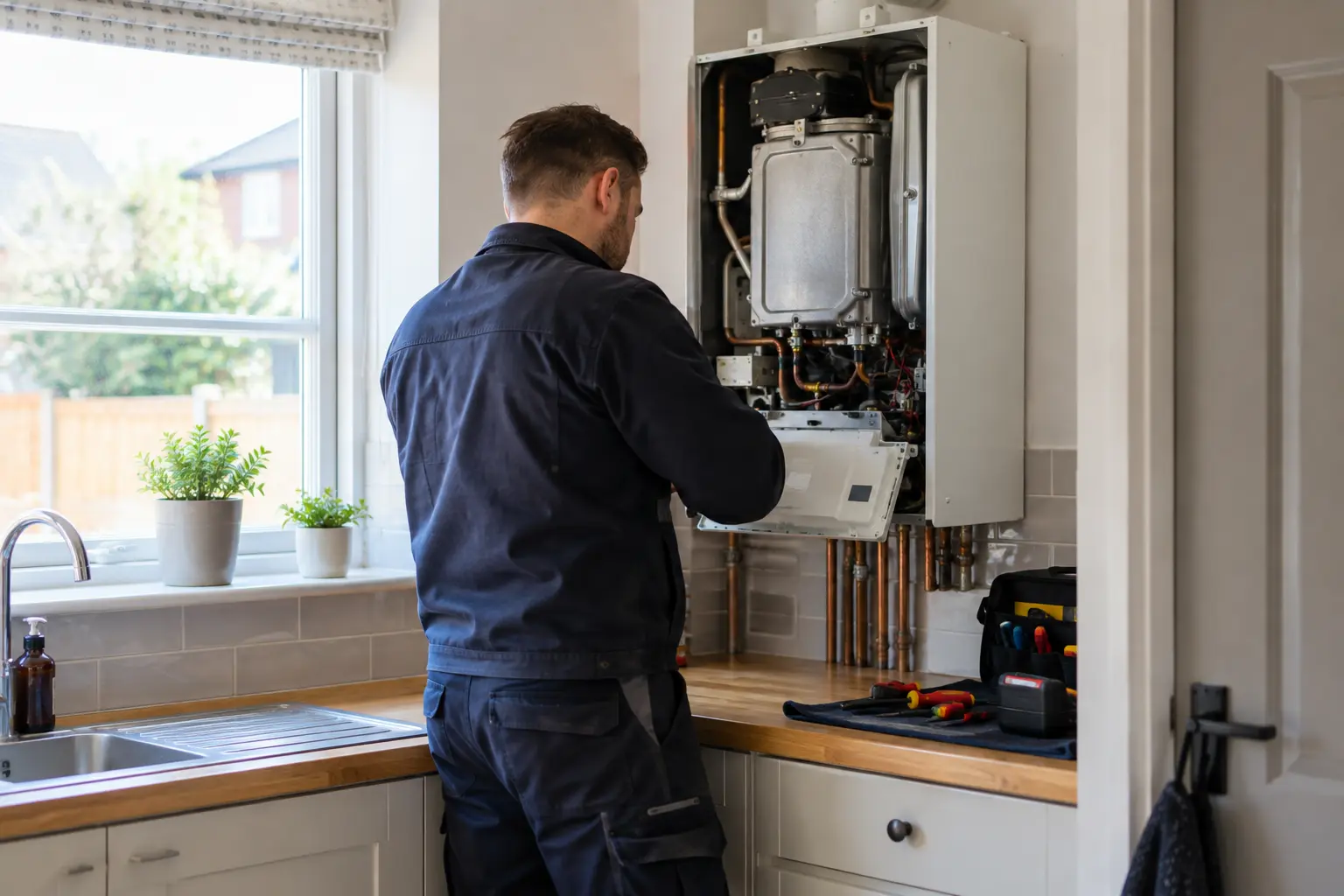
Carbon monoxide can be produced when fuels such as gas, oil, coal or wood do not burn properly. Problems may involve an appliance, flue, chimney or ventilation. The safe response is competent inspection, not a home diagnosis.
Possible symptoms and clues
Symptoms can include headache, dizziness, nausea, breathlessness, collapse or loss of consciousness. They may resemble other illnesses and can affect people differently. Symptoms that improve away from a property, or affect several people at once, deserve urgent attention.
Other clues can include unusual staining, a change in a flame or condensation, but the absence of visible signs does not prove a property is safe.
What to do if you suspect it
Move into fresh air, stop using the appliance if this can be done without putting yourself at risk and seek medical help. For a suspected mains-gas or carbon monoxide emergency, call 0800 111 999 from a safe place. Call 999 for immediate danger or serious illness.
Alarms and annual care
Use audible carbon monoxide alarms suitable for the property and install them in line with the product instructions and current rules. Test them regularly and note their replacement date. Arrange gas work only with a properly qualified Gas Safe registered engineer.
For rental, holiday and managed accommodation, make alarm checks, appliance records and emergency instructions part of the handover process rather than relying on one person’s memory.
Read the full guidance
- Wales & West Utilities — carbon monoxide
- Cadent — gas safety advice
- Gas Safe Register — safety factsheets
Links and scheme details were checked on 28 September 2026. External information can change.