A winter boiler checklist for North Wales and the North West
A few checks before the first cold spell can make faults easier to describe, appointments easier to arrange and heating controls easier to use.
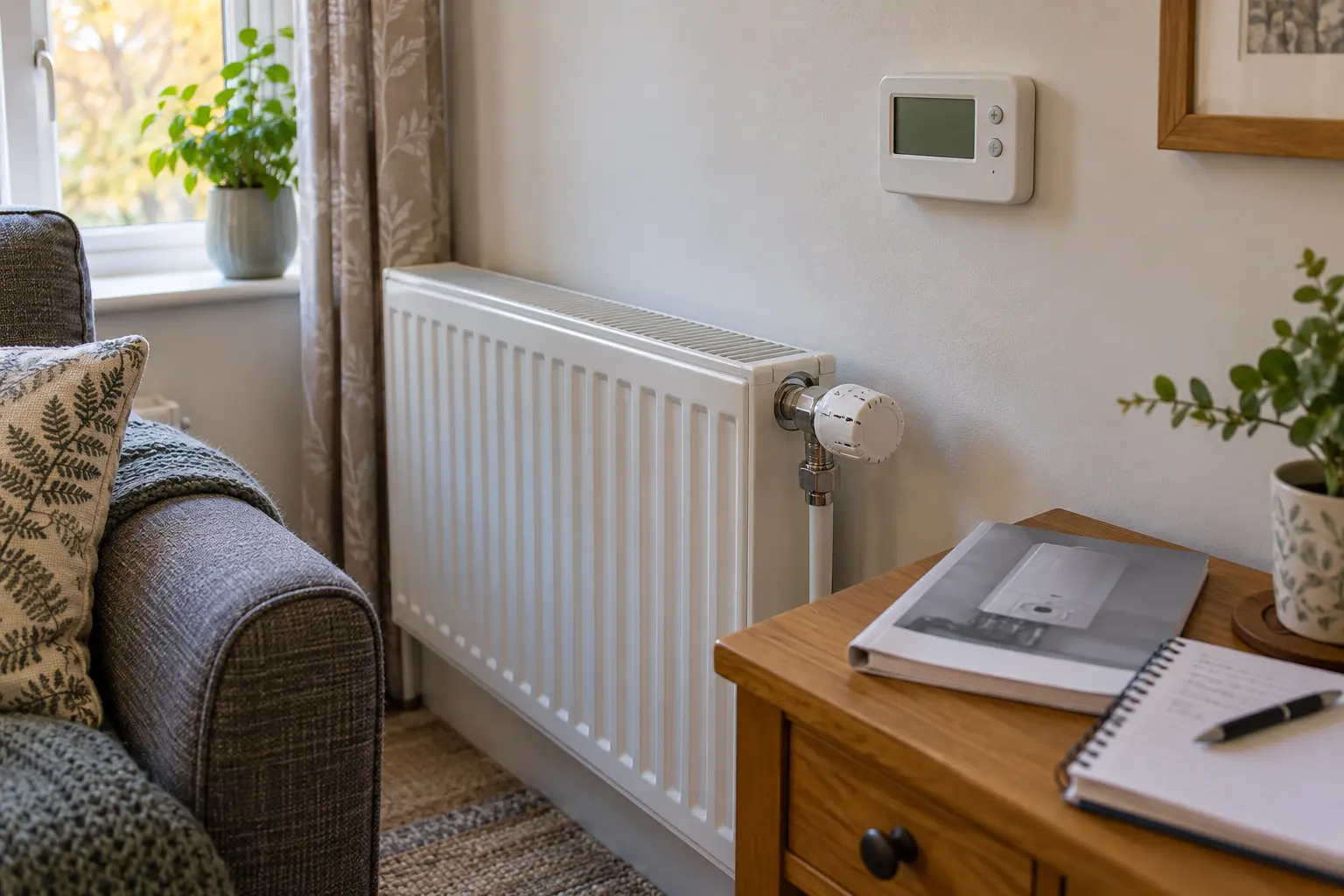
Run the heating before you urgently need it
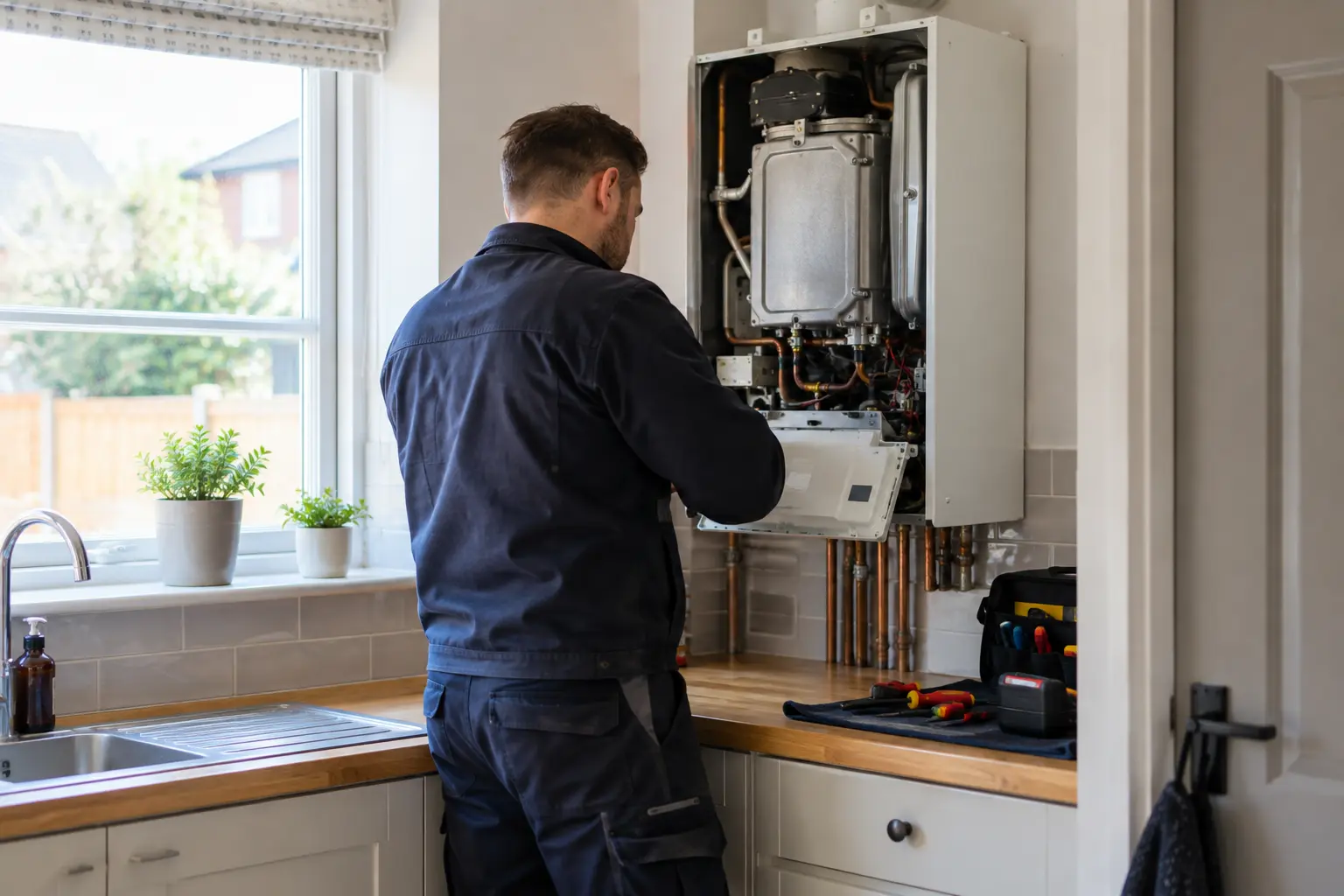
Turn the heating on and check that the boiler starts, radiators warm and the controls respond. Make a note of any error code, unusual noise, pressure loss or rooms that stay cold. Do not remove the boiler casing.
Know your controls
Check the programmed times, thermostat setting and radiator valves. If clocks changed, confirm the programmer still matches your routine. Keep the manufacturer’s instructions nearby or use Corva’s boiler manual library to find the correct guide.
Check pressure only as the manual describes
Many sealed heating systems have a normal pressure range shown in the manufacturer’s instructions. If the pressure repeatedly falls or rises, record what happens and arrange advice. Repeated topping up can hide a fault and is not a substitute for diagnosis.
Protect vulnerable pipework
Know where the condensate pipe runs and follow the boiler manufacturer’s cold-weather advice. Do not use boiling water or dismantle pipework. If a frozen or damaged pipe is suspected, contact the office and explain what you can see.
Book with useful information
Have the postcode, boiler make and model, fuel, visible error code and access details ready. Tell the team if anyone in the home is particularly vulnerable to loss of heating or hot water. An online request is not emergency dispatch, so call for urgent attendance.
Read the full guidance
Links and scheme details were checked on 28 September 2026. External information can change.